
Best Inverter Generator in 2026: 15 Picks by Stated Details
The best inverter generator in this comparison is the GENMAX 13500W Tri-Fuel Inverter Generator, which states the most details of any pick here: tri fuel, a watts figure above 9,000, an RV-ready outlet, a CO sensor and electric start. This guide compares 15 inverter generators on the details each listing title states, then orders them first by how many details are named, then by fuel type and then by the order they appear in the catalogue.
15 picks from 17 generators that match this guide with a price we can quote today, made by 14 makers. Every price below is live and carries the moment it was read.
The picks at a glance
Which one should you buy?
- For a home on a propane tank: A tri fuel inverter generator can run on propane from a tank, so you can stock one fuel source. The GENMAX 13500W states tri fuel and electric start. See pick 1
- For weekend camping trips: A dual fuel inverter generator like the WEN 3600-Watt states RV readiness and a CO sensor, and its watts fit the 3,000 to 5,000 range. See pick 7
- For a travel trailer or motorhome: Look for a listing that names an RV-ready outlet and a CO sensor. The WEN 6800-Watt states both along with electric start. See pick 2
- For a job site or workshop: A gasoline inverter generator with a high first watts figure can cover portable power needs. The WEN 4500-Watt states RV readiness and a CO sensor. See pick 10
The 15 picks
1 All five listing details stated

GENMAX 13500W Tri-Fuel Inverter Generator(2026 Model )— 50A Outlet
- Type
- Inverter
- Fuel
- Tri Fuel
- Watts
- Over 9000 W
- Electric start
- Yes
- RV ready
- Yes
- CO sensor
- Yes
$2,899.99 (as of 10/18/2026 23:14 PDT - Details)
This pick ranks first because it states five of the six possible details: tri fuel, over 9,000 watts, an RV-ready outlet, a CO sensor and electric start. Only two other picks in the top 15 match that count, and they are dual fuel, placing them after this tri fuel machine.
Pros
- Title states tri fuel (gasoline, propane, natural gas)
- Title lists a watts figure above 9,000
- Title names a 50A outlet and a CO sensor
- Title states electric start
Cons
- Running watts are not stated, only the first watts figure
- Runtime, tank size and fuel use are not stated by the seller
- No noise level is given in the title
Good fit if
- For someone who wants a tri fuel machine with electric start
- For a buyer who wants a CO sensor named in the listing
Skip if
- If you need a generator in the under 3,000 watts group
- If you prefer a dual fuel or gasoline only unit
Verdict: The GENMAX 13500W tops the list with five stated details, including tri fuel and a CO sensor.
2 Dual fuel with electric start, RV, and CO
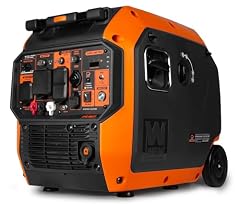
WEN 6800-Watt Dual Fuel RV-Ready Electric Start Portable Inverter
- Type
- Inverter
- Fuel
- Dual Fuel
- Watts
- 5001 to 9000 W
- Electric start
- Yes
- RV ready
- Yes
- CO sensor
- Yes
This WEN 6800-Watt also states all five details, but its fuel is dual fuel, which ranks below tri fuel in this guide's ordering. It comes second among the 15 picks.
Pros
- Title states dual fuel
- Title lists 6,800 watts (first figure)
- Title names RV-ready, a CO sensor and electric start
- Includes a fuel shut off in the title
Cons
- No tri fuel option is stated
- Running watts are not stated in the title
- Runtime and tank size are not stated by the seller
Good fit if
- For an RV owner who wants electric start and a CO sensor
- For a buyer who wants dual fuel portability
Skip if
- If you need natural gas as a fuel
- If you want a unit under 3,000 watts
Verdict: A dual fuel inverter with all five listed details, placed second because its fuel type is not tri fuel.
3 Smaller dual fuel with all five details

WEN Quiet and Lightweight 4800-Watt Dual Fuel RV-Ready Electric Start
- Type
- Inverter
- Fuel
- Dual Fuel
- Watts
- 3000 to 5000 W
- Electric start
- Yes
- RV ready
- Yes
- CO sensor
- Yes
This WEN 4,800-Watt lists the same five details as the pick above but has a lower watts figure and appears later in the pool, so it holds third place.
Pros
- Title states dual fuel
- Title lists 4,800 watts (first figure)
- Title states RV-ready, electric start and a CO sensor
- Title mentions fuel shut off
Cons
- No tri fuel is stated
- Running watts are not stated
- Runtime and weight are not stated by the seller
Good fit if
- For a camper or RV owner who wants a mid-range watts figure
- For a buyer who wants a CO sensor and electric start
Skip if
- If you need more than 5,000 watts (first figure)
- If you want a gasoline only generator
Verdict: A 4,800-watt dual fuel inverter with all five details, ranking third on the same detail count.
4 Tri fuel with remote electric start

Westinghouse 12000 Peak Watt Tri-Fuel Portable Inverter Generator
- Type
- Inverter
- Fuel
- Tri Fuel
- Watts
- Over 9000 W
- Electric start
- Yes
- CO sensor
- Yes
This Westinghouse 12,000-watt pick states four details: tri fuel, over 9,000 watts, a CO sensor and electric start. It lacks an RV-ready note in the title, so it comes after the three five-detail picks.
Pros
- Title states tri fuel
- Title lists 12,000 peak watts
- Title names a CO sensor and remote electric start
- Title says transfer switch ready
Cons
- No RV-ready outlet is stated
- Running watts are not stated
- Runtime and tank size are not stated by the seller
Good fit if
- For someone who wants a tri fuel machine with remote start
- For a home backup use without an RV outlet need
Skip if
- If you need an RV-ready outlet named in the listing
- If you want a smaller generator under 9,000 watts
Verdict: A tri fuel inverter with four stated details, ranked after the five-detail picks because no RV outlet is named.
5 Tri fuel with remote electric start and CO

Westinghouse 8200 Peak Watt Tri-Fuel Portable Inverter Generator
- Type
- Inverter
- Fuel
- Tri Fuel
- Watts
- 5001 to 9000 W
- Electric start
- Yes
- CO sensor
- Yes
The Westinghouse 8,200-watt has the same four details as the prior pick but a lower watts figure, so it slots in fifth by pool order.
Pros
- Title states tri fuel
- Title lists 8,200 peak watts
- Title names a CO sensor and remote electric start
- Transfer switch ready is stated
Cons
- No RV-ready outlet stated
- Running watts are not stated
- Runtime, fuel use and weight are not stated by the seller
Good fit if
- For a buyer who wants tri fuel in the 5,001 to 9,000 watts range
- For remote start and a CO sensor
Skip if
- If you need an RV outlet
- If you want a generator above 9,000 watts
Verdict: A tri fuel inverter with four stated details, ranking fifth among the 15 picks.
6 Tri fuel with electric start and CO

WEN 13,000-Watt 120V/240V Tri-Fuel Inverter Generator
- Type
- Inverter
- Fuel
- Tri Fuel
- Watts
- Over 9000 W
- Electric start
- Yes
- CO sensor
- Yes
This WEN 13,000-watt pick states tri fuel, over 9,000 watts, a CO sensor and electric start, matching the four-detail count of the Westinghouse units. It appears later in the pool, so it ranks sixth.
Pros
- Title states tri fuel
- Title lists 13,000 watts
- Title names a CO sensor and electric start
- Title mentions a wheel kit
Cons
- No RV-ready outlet stated
- Running watts are not stated
- Runtime and tank size are not stated by the seller
Good fit if
- For a buyer who wants a large tri fuel inverter
- For electric start and a CO sensor
Skip if
- If you need an RV outlet
- If you prefer a dual fuel unit
Verdict: A 13,000-watt tri fuel inverter with four stated details, sixth in this order.
7 Dual fuel RV-ready with CO watchdog
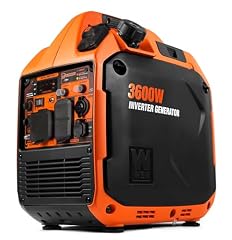
WEN Quiet and Lightweight 3600-Watt Dual Fuel RV-Ready Portable Inverter
- Type
- Inverter
- Fuel
- Dual Fuel
- Watts
- 3000 to 5000 W
- RV ready
- Yes
- CO sensor
- Yes
This WEN 3,600-watt states four details: dual fuel, 3,000 to 5,000 watts, RV-ready and a CO sensor. It lacks electric start, so it falls below the four-detail tri fuel picks but above other dual fuels by pool order.
Pros
- Title states dual fuel
- Title lists 3,600 watts
- Title names an RV-ready outlet and a CO watchdog
- Title includes fuel shut off
Cons
- No electric start is stated
- Running watts are not stated
- Runtime and tank size are not stated by the seller
Good fit if
- For a camper who wants an RV outlet and a CO sensor
- For a buyer who wants a dual fuel unit without electric start
Skip if
- If you need electric start
- If you want a higher watts figure
Verdict: A dual fuel RV-ready inverter with four stated details, ranking seventh.
8 Dual fuel RV-ready with CO sensor

ERAYAK 4500W Dual-Fuel Portable Inverter Generator for Home Use
- Type
- Inverter
- Fuel
- Dual Fuel
- Watts
- 3000 to 5000 W
- RV ready
- Yes
- CO sensor
- Yes
$559.00 (as of 10/18/2026 23:04 PDT - Details)
The ERAYAK 4,500-watt lists dual fuel, 3,000 to 5,000 watts, an RV outlet and a CO sensor, the same four-detail count as the WEN above but with a slightly different title wording. It appears later in the pool, so it holds eighth place.
Pros
- Title states dual fuel
- Title lists 4,500 watts
- Title names a 30A RV outlet and a CO sensor
- Title mentions auto switch
Cons
- No electric start is stated
- Running watts are not stated
- Runtime and fuel use are not stated by the seller
Good fit if
- For an RV owner who wants a dual fuel unit with a CO sensor
- For a mid-range watts figure
Skip if
- If you need electric start
- If you prefer a gasoline only generator
Verdict: A 4,500-watt dual fuel inverter with four stated details, ranked eighth.
9 Dual fuel with remote electric start and CO

Westinghouse 12000 Peak Watt Dual Fuel Portable Inverter Generator
- Type
- Inverter
- Fuel
- Dual Fuel
- Watts
- Over 9000 W
- Electric start
- Yes
- CO sensor
- Yes
This Westinghouse 12,000-watt is dual fuel, not tri fuel, so it sits after the tri fuel four-detail picks. It states electric start and a CO sensor, giving it four details and ninth place.
Pros
- Title states dual fuel
- Title lists 12,000 peak watts
- Title names a CO sensor and remote electric start
- Title says transfer switch ready
Cons
- No RV-ready outlet stated
- No tri fuel option
- Running watts are not stated
Good fit if
- For a buyer who wants a dual fuel machine with remote start
- For a CO sensor and high watts figure
Skip if
- If you need natural gas as a fuel
- If you want an RV outlet
Verdict: A dual fuel inverter with four stated details, ninth in the ranking.
10 Gasoline RV-ready with CO watchdog

WEN 4500-Watt Inverter Generator
- Type
- Inverter
- Fuel
- Gasoline
- Watts
- 3000 to 5000 W
- RV ready
- Yes
- CO sensor
- Yes
The WEN 4,500-watt is the top gasoline pick in this list. It states four details: gasoline, 3,000 to 5,000 watts, RV-ready and a CO sensor. Because gasoline ranks below dual fuel and tri fuel, it lands in tenth place.
Pros
- Title states gasoline
- Title lists 4,500 watts
- Title names RV-ready and a CO watchdog
- Title mentions fuel shut off
Cons
- No dual fuel or tri fuel is stated
- No electric start is stated
- Running watts are not stated
Good fit if
- For a buyer who wants a gasoline unit with an RV outlet
- For a CO sensor and mid-range watts
Skip if
- If you need dual fuel or tri fuel
- If you need electric start
Verdict: The top gasoline inverter here, tenth because gasoline ranks below dual fuel.
11 Tri fuel with electric start

Pulsar PGD105TiSCO Tri Fuel Inverter Generator
- Type
- Inverter
- Fuel
- Tri Fuel
- Watts
- Over 9000 W
- Electric start
- Yes
This Pulsar 10,500-watt states tri fuel, over 9,000 watts and electric start, three details. It has no CO sensor or RV outlet in the title, so it comes after all four-detail picks.
Pros
- Title states tri fuel
- Title lists 10,500 watts
- Title states electric start
- Title names a 50A generator capability
Cons
- No CO sensor is stated
- No RV-ready outlet is stated
- Running watts are not stated
Good fit if
- For a buyer who wants a tri fuel machine with electric start
- For a high watts figure without needing a CO sensor
Skip if
- If you want a CO sensor named in the listing
- If you want an RV outlet
Verdict: A tri fuel inverter with three stated details, placed eleventh.
12 Tri fuel with remote start

DuroMax XP28000iHT 28
- Type
- Inverter
- Fuel
- Tri Fuel
- Watts
- Over 9000 W
- Electric start
- Yes
$7,999.00 (as of 10/18/2026 23:01 PDT - Details)
The DuroMax XP28000iHT states tri fuel, over 9,000 watts and electric start, also three details. Its title adds remote start, but it lacks a CO sensor and RV outlet, so it ranks twelfth.
Pros
- Title states tri fuel
- Title lists 28,000 watts
- Title states electric start with remote
- Title includes gas, propane and natural gas
Cons
- No CO sensor is stated
- No RV-ready outlet is stated
- Running watts are not stated
Good fit if
- For a buyer who wants a very high watts figure
- For remote electric start with tri fuel
Skip if
- If you need a CO sensor
- If you want a compact machine (weight not stated)
Verdict: A high-wattage tri fuel inverter with three stated details, twelfth in the order.
13 Open frame tri fuel with CO sensor

GENMAX 10500 Peak Watt Tri Fuel Open Frame Inverter Generator
- Type
- Inverter
- Fuel
- Tri Fuel
- Watts
- Over 9000 W
- CO sensor
- Yes
$1,399.99 (as of 10/18/2026 23:14 PDT - Details)
The GENMAX 10,500-watt lists tri fuel, over 9,000 watts and a CO sensor, three details. It is open frame and lacks electric start, so it sits after the electric-start tri fuel picks.
Pros
- Title states tri fuel
- Title lists 10,500 peak watts
- Title names a CO sensor
- Title says it is an open frame inverter
Cons
- No electric start is stated
- No RV-ready outlet is stated
- Running watts are not stated
Good fit if
- For a buyer who wants an open frame inverter with a CO sensor
- For tri fuel without electric start
Skip if
- If you need electric start
- If you want an RV outlet
Verdict: An open frame tri fuel inverter with a CO sensor, thirteenth.
14 Tri fuel with wireless remote start

Champion 11,000-Watt Remote Start Tri Fuel Portable Inverter Generator
- Type
- Inverter
- Fuel
- Tri Fuel
- Watts
- Over 9000 W
- Electric start
- Yes
$1,999.99 (as of 10/18/2026 22:48 PDT - Details)
The Champion 11,000-watt states tri fuel, over 9,000 watts and electric start, with wireless remote. It has no CO sensor or RV outlet, so it falls below the other three-detail tri fuel picks by pool order.
Pros
- Title states tri fuel
- Title lists 11,000 watts
- Title states wireless remote electric start
- Title names gas, propane and natural gas
Cons
- No CO sensor is stated
- No RV-ready outlet is stated
- Running watts are not stated
Good fit if
- For a buyer who wants a tri fuel machine with remote start
- For a high watts figure
Skip if
- If you need a CO sensor
- If you want an RV outlet
Verdict: A tri fuel inverter with remote electric start, fourteenth.
15 Tri fuel with wireless remote start

Champion 8500-Watt Remote Start Tri Fuel Portable Inverter Generator
- Type
- Inverter
- Fuel
- Tri Fuel
- Watts
- 5001 to 9000 W
- Electric start
- Yes
$1,542.00 (as of 10/18/2026 22:48 PDT - Details)
The Champion 8,500-watt also states tri fuel, watts in the 5,001 to 9,000 range and electric start. It lacks a CO sensor and RV outlet, and its watts group is lower than the 11,000-watt, so it closes the list at fifteenth.
Pros
- Title states tri fuel
- Title lists 8,500 watts
- Title states wireless remote electric start
- Title names gas, propane and natural gas
Cons
- No CO sensor is stated
- No RV-ready outlet is stated
- Running watts are not stated
Good fit if
- For a buyer who wants tri fuel in the 5,001 to 9,000 watts group
- For remote start
Skip if
- If you need a CO sensor
- If you want an RV outlet
Verdict: A tri fuel inverter with remote start, ranked fifteenth.
Side by side
How we picked
This guide starts from 30 inverter generator listings drawn from the catalogue of live prices. Each listing title was read for six details: type (inverter, true for all), fuel, watts group, electric start, RV-ready outlet and CO sensor. The picks are ranked first by how many of those details the title states (most first), then tri fuel before dual fuel before gasoline before fuel not stated, and finally by the order of the pool. The 15 picks that rank highest are shown here. Every claim about a pick comes from the title as the catalogue records it; nothing is guessed. The guide does not measure output, runtime, noise, fuel use or any other performance figure.
How to choose
Inverter, open frame or standby
The titles in this guide all call the machine an inverter or a portable inverter. Some add "open frame" or "standby" in the description, but here every pick is listed as a portable inverter. A standby unit is a different machine, usually installed by a professional, and is not part of this list. When you read a title, check whether it says "inverter," "open frame inverter," or "standby" to know which category you are looking at.
Which fuels the title names
The fuel is one of the first things a listing states. Tri fuel means the title names gasoline, propane and natural gas; dual fuel means two fuels, usually gasoline and propane. Some titles say only "gas powered" or list no fuel at all. If a title does not name a fuel, the seller has not stated it, and you should look at the maker's page for that detail. The EIA pages linked in the sources explain what each fuel is.
Starting watts and running watts in a title
The first watts figure a title prints is often the starting, or peak, figure. The running watts are typically lower and may appear as a second number in the same listing. When a title shows only one figure, that figure is the one this guide uses for grouping, and it may not be the continuous output. The maker's page usually lists both figures.
Electric start, RV outlets and CO sensors as listing words
These are words that appear in a title and tell you what the seller states. Electric start means the machine can be started with a button or remote instead of a pull cord. RV ready means the title names an outlet for a travel trailer, usually 30A or 50A. A CO sensor or watchdog is a safety feature named in the title. Only use these words as they appear; do not assume a machine has them if the title is silent.
Who connects a generator to a house
Connecting a portable generator to a home's electrical panel is a job for a licensed electrician, the maker and the local permit office. This guide does not describe how to wire a transfer switch, an inlet box or any other connection. If you plan to connect a generator to your house, consult those professionals first.
What this guide leaves out (and why)
The catalogue used here records only the details that appear in each listing title: type, fuel, watts figure, electric start, RV ready and CO sensor. It does not include measured output, runtime, fuel use, tank size, noise level, weight, emissions approval, warranty or app data. This guide cannot say how long a generator runs on a tank, how loud it is, or whether it meets any standard, because those numbers are not in the catalogue. For those details, go to the maker's manual and the safety pages linked in the sources.
Questions
What does "inverter" mean in a generator title?
The title uses the word "inverter" to describe the generator's design. Inverter generators typically produce a different waveform than conventional open frame units, but this guide only states that the title names an inverter. It does not claim that an inverter is quieter or cleaner; those are performance claims that the title may or may not support.
Which fuel should you choose: tri fuel, dual fuel or gasoline?
Tri fuel titles name three fuels: gasoline, propane and natural gas. Dual fuel titles name two, usually gasoline and propane. Gasoline titles name only gasoline. This guide orders picks by fuel type, putting tri fuel first, but your choice depends on what fuel you can store or access. The EIA fuel pages in the sources explain each fuel's properties.
How do you know the running watts of a generator?
The first watts figure in a title is often the starting or peak figure. The running watts are usually a lower number and are printed on the maker's page or in the product manual. This guide uses only the first figure as stated, and it does not guess the running figure. Check the maker's official page for the complete specification.
Does this guide cover noise, runtime, fuel use or where to run a generator?
No. This guide does not cover noise, runtime, fuel use, tank size or any other performance measure because the catalogue has no data for them. It also does not give advice on where to run a generator. For those topics, read the maker's manual and the CPSC, CDC and NFPA carbon monoxide pages listed in the sources. Those sources are the authority on safe placement and operation.
What does it mean when a title says "RV ready"?
When a title says "RV ready" or names a 30A or 50A outlet, it states that the generator has an outlet designed for an RV. To confirm that the outlet matches your trailer's plug, check the maker's product page. This guide only repeats what the title states; it does not evaluate whether any generator will run a specific RV appliance.
Recent updates
- : First published.